


Are you ready to unlock the mysteries of the IELTS exam and understand the key differences between IELTS Academic and IELTS General? Look no further! In this comprehensive article, we'll delve into the world of IELTS, exploring the nuances and distinctions between these two popular test variants. Whether you're a student aspiring to study abroad or a professional seeking immigration or visa opportunities, this article will help you make an informed decision about which test is best suited to your needs.
IELTS Academic is tailored for students who wish to pursue higher education or professional registration in an English-speaking country. It focuses on academic language skills and evaluates your ability to communicate effectively in an educational setting. On the other hand, IELTS General is designed for individuals who want to work, migrate, or pursue secondary education in an English-speaking environment. It assesses practical language skills required for everyday life and work situations.
By understanding the unique features and requirements of each test, you can develop a clear strategy to prepare yourself and achieve success in IELTS. So, let's dive into the differences and unlock the mysteries of IELTS Academic vs. IELTS General!
IELTS Academic is a standardized test that measures the English language proficiency of non-native speakers who wish to study in an English-speaking environment. This variant of the International English Language Testing System (IELTS) is specifically designed for individuals aiming to enroll in higher education institutions or for those seeking professional registration in fields that require advanced English skills. The test assesses candidates on their ability to understand and use English in an academic context, which includes reading, writing, listening, and speaking.
The IELTS Academic test is structured to reflect real-life academic environments. It evaluates candidates' ability to comprehend complex texts, write essays that present a clear argument, and engage in discussions that demonstrate critical thinking. The test is recognized by universities, colleges, and professional bodies across the globe, making it a crucial step for those looking to further their education or career in an English-speaking country. Each component of the test is crafted to gauge not only language proficiency but also the candidate's readiness to tackle academic challenges.
One of the key features of the IELTS Academic is its emphasis on high-level vocabulary and sophisticated grammatical structures. Candidates are expected to demonstrate an understanding of academic discourse, which includes the ability to interpret data, analyze arguments, and synthesize information from various sources. This makes IELTS Academic distinct from other variants, as it is tailored to evaluate skills that are essential for success in higher education settings.
IELTS General is another variant of the International English Language Testing System, but it serves a different purpose compared to its Academic counterpart. This test is primarily intended for individuals who wish to migrate to an English-speaking country, undertake non-academic training, or gain employment in environments where English is the primary language of communication. While it still assesses the four key language skills—reading, writing, listening, and speaking—the focus is more on practical and everyday language usage rather than academic language.
The IELTS General test is designed to evaluate a candidate's ability to function effectively in social and workplace settings. It tests language skills in real-life scenarios, such as understanding advertisements, reading job descriptions, and writing letters or emails. This makes it a valuable tool for those looking to integrate into an English-speaking community or workforce. The test is recognized by various government agencies, employers, and educational institutions, making it an important step for individuals seeking immigration or job opportunities.
One notable aspect of IELTS General is its focus on informal communication. Candidates are encouraged to demonstrate their ability to interact with others in everyday situations, which may include conversations with coworkers, friends, or community members. This practical approach to language testing is essential for individuals who need to navigate daily life and work environments in English-speaking countries. As such, IELTS General provides a comprehensive assessment of practical language skills that are vital for successful integration.
The primary purpose of the IELTS Academic test is to assess whether a candidate possesses the necessary English language skills to thrive in an academic setting. Many universities and colleges worldwide require IELTS Academic scores as part of their admission process, especially for programs where English is the primary medium of instruction. The test aims to ensure that prospective students can engage with academic materials, participate in discussions, and complete assignments effectively.
Another critical aspect of the IELTS Academic is its role in professional registration. Certain professions, such as healthcare, engineering, and education, require individuals to demonstrate their proficiency in English to meet licensing or regulatory standards. By taking the IELTS Academic test, candidates can provide evidence of their language skills to relevant professional bodies, thereby enhancing their employment prospects and ensuring compliance with industry requirements.
Moreover, IELTS Academic serves as a benchmark for students to gauge their readiness for higher education. By understanding their strengths and weaknesses in English, candidates can identify areas that need improvement before embarking on their academic journey. This proactive approach not only helps in achieving desired scores but also equips students with the necessary language tools to succeed in their studies, leading to a more enriching educational experience.
The IELTS General test is designed to serve a multitude of purposes, primarily centered around migration, employment, and training opportunities in English-speaking countries. One of the main objectives of IELTS General is to assess a candidate's ability to navigate everyday life in an English-speaking environment. This includes engaging in social interactions, understanding public notices, and managing workplace communications, all of which are essential for successful integration into a new community.
For individuals seeking to migrate, the IELTS General test is often a requirement set by immigration authorities in countries like Canada, Australia, and the United Kingdom. By demonstrating a certain level of English proficiency, candidates can fulfill visa requirements and enhance their chances of being accepted into their desired countries. This aspect of the test emphasizes the importance of practical language skills, as successful migration depends on the ability to communicate effectively in various real-life situations.
Additionally, IELTS General supports individuals pursuing non-academic training or vocational courses. Many technical and vocational programs require applicants to have a basic understanding of English to interact with instructors and peers. By providing a reliable assessment of language skills, IELTS General helps candidates prepare for these courses and ensures that they can fully participate in learning experiences. This makes the test an essential stepping stone for those looking to enhance their career prospects through further training.
The IELTS Academic test consists of four main components: Listening, Reading, Writing, and Speaking. Each component is designed to evaluate different aspects of a candidate's English language proficiency, and the overall score is calculated based on performance in all four areas. The test takes about 2 hours and 45 minutes to complete, with each section varying in length and format.
The Listening component lasts approximately 30 minutes and includes four recorded monologues and conversations. Candidates are required to answer a series of questions based on the audio content, which may include multiple-choice, matching, and short-answer formats. This section assesses the ability to understand spoken English in various contexts, such as academic lectures and everyday conversations.
The Reading component is divided into three sections and lasts for 60 minutes. It includes texts taken from books, journals, and newspapers, all of which are relevant to an academic setting. Candidates are required to answer questions that test their comprehension, including identifying main ideas, understanding specific details, and making inferences. The Writing component consists of two tasks: Task 1 requires candidates to describe visual information, while Task 2 involves writing an essay in response to a prompt. This section evaluates writing skills, including coherence, cohesion, and vocabulary usage. Lastly, the Speaking component is a face-to-face interview with an examiner, lasting about 11 to 14 minutes. It includes a range of questions about the candidate's background, interests, and opinions, providing an opportunity to demonstrate spoken English proficiency.
The IELTS General test also comprises four main components: Listening, Reading, Writing, and Speaking, similar to the Academic variant. However, the content and focus of the tasks differ to align with the practical language skills required in everyday and workplace situations. The overall structure remains consistent, with the test taking approximately 2 hours and 45 minutes to complete.
The Listening component of IELTS General is identical in duration to that of the Academic version, lasting around 30 minutes. Candidates listen to various recordings, including conversations and monologues, and are required to answer questions based on the audio. The focus here is on understanding everyday English used in social and workplace contexts, ensuring that candidates can navigate real-life situations effectively.
The Reading section of IELTS General is divided into three parts and lasts for 60 minutes. The texts are sourced from everyday materials, such as advertisements, brochures, and newspapers, rather than academic articles. Candidates answer questions that test their ability to comprehend and interpret practical information. In the Writing section, candidates complete two tasks: Task 1 involves writing a letter (formal, semi-formal, or informal), while Task 2 requires an essay based on a general topic. The emphasis is on clear communication and the ability to convey ideas effectively in written form. Finally, the Speaking component mirrors that of the Academic test, featuring a face-to-face interview with an examiner, allowing candidates to showcase their conversational skills and fluency.
Understanding the key differences between IELTS Academic and IELTS General is crucial for candidates, as these distinctions can significantly impact their preparation strategies and test-taking experiences. One of the most notable differences lies in the content and focus of each test. IELTS Academic is tailored for individuals seeking higher education or professional registration, while IELTS General is geared toward those pursuing migration, employment, or non-academic training. This fundamental difference influences the types of texts, tasks, and questions presented in each variant.
In terms of reading materials, IELTS Academic features texts that are more complex and scholarly, often drawn from academic publications, research articles, and textbooks. In contrast, IELTS General includes everyday materials like brochures, advertisements, and newspapers, reflecting practical language use in real-world scenarios. This also extends to writing tasks, where IELTS Academic expects candidates to engage with academic topics and critical analysis, while IELTS General focuses on practical writing skills, such as letter writing and expressing opinions on general subjects.
Another significant difference is in the scoring criteria and expectations for each test. IELTS Academic places a higher emphasis on advanced vocabulary, grammatical accuracy, and coherence in writing and speaking. Candidates are expected to demonstrate a higher level of critical thinking and academic argumentation. Conversely, IELTS General prioritizes effective communication and the ability to convey information clearly in everyday contexts. This distinction means that candidates must tailor their preparation according to the specific requirements and expectations of the test they choose to undertake.
Deciding between IELTS Academic and IELTS General largely depends on your personal goals and circumstances. If you are a student aiming to pursue higher education in an English-speaking country, IELTS Academic is the appropriate choice. Institutions often require this test to assess your ability to handle academic language and concepts, making it essential for admission into university programs. Additionally, if your career aspirations involve professional registration in fields such as medicine, engineering, or education, IELTS Academic is necessary to meet the language proficiency requirements set by regulatory bodies.
On the other hand, if your primary goal is to migrate to an English-speaking country, seek employment, or undertake vocational training, then IELTS General is the right option. This test evaluates practical language skills that are critical for everyday interactions and workplace communication, making it more suitable for individuals looking to integrate into a new environment. Employers and immigration authorities often recognize IELTS General as a valid assessment of a candidate's ability to function effectively in English-speaking contexts.
Ultimately, the decision should also consider your current language proficiency level and your comfort with academic versus everyday language use. If you feel more confident in handling academic texts and discourse, IELTS Academic may be more manageable for you. Conversely, if you excel in conversational English and practical writing, IELTS General could be the better fit. Assess your goals, strengths, and weaknesses carefully to ensure that you choose the test that aligns with your aspirations and prepares you for success.
Ready to take the next step in your journey abroad? Book your IELTS test online in India now with ease and convenience. Whether you're preparing for higher education, migration, or career opportunities, secure your test slot today and start your path to success. Click here to Book Your IELTS Test Online now!
In conclusion, understanding the differences between IELTS Academic and IELTS General is essential for anyone considering taking the IELTS exam. Both tests serve distinct purposes and evaluate different language skills tailored to specific contexts. IELTS Academic is geared towards students and professionals aiming for higher education or professional registration, while IELTS General focuses on practical language skills necessary for migration and everyday communication.
By recognizing the unique features and requirements of each test, candidates can make informed decisions about which variant best suits their needs. Whether you are planning to study abroad, migrate, or advance your career, selecting the right IELTS test is a crucial step toward achieving your goals. Additionally, effective preparation strategies that align with the specific demands of the chosen test will significantly enhance your chances of success.
Ultimately, both IELTS Academic and IELTS General are valuable assessments of English language proficiency. By unlocking the mysteries surrounding these tests, you can confidently embark on your journey toward academic or professional success in an English-speaking environment. Take the time to evaluate your objectives and prepare accordingly, ensuring that you are well-equipped to excel in your chosen IELTS test.
Reference Blogs
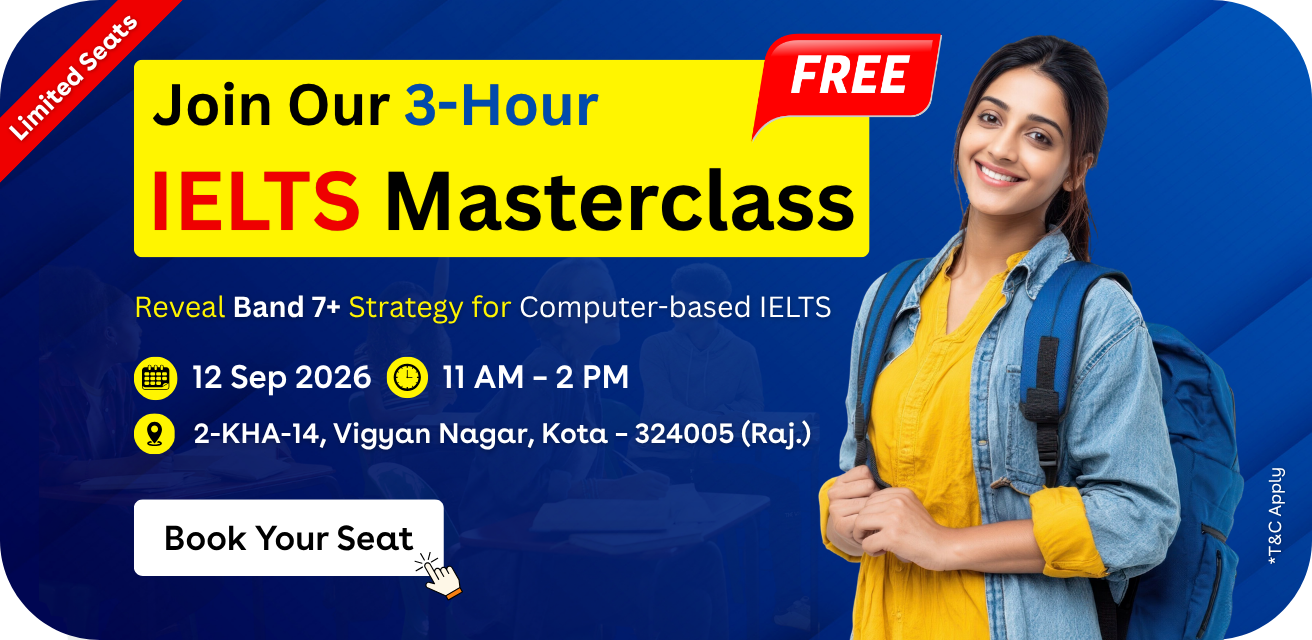
Book a Free Counselling

Pacific Prime Membership — Study Abroad Support at Effectively ₹0
US Study Visa Interview Questions & Sample Answers

Study Visa Interview for USA: How to Prepare (F-1 2026)
APS Germany Full Guide to the APS Certificate for Indian Students

dMAT Online Course: 2026 Preparation Guide for Germany MS

dMAT Mock Test 2026 Free Sample Papers & Practice PDFs

Welcome to Pacific Educational Consultant and Classes, your trusted partner in unlocking a world of educational opportunities and personal growth.


© 2026 Pacific Educational Consultant. All rights reserved
 Canada
 United States
 United Kingdom
 Australia
 Germany
 France
 Netherlands
 New Zealand
 PTE
PTE
 IELTS General Training
 TOEFL iBT
 Duolingo English Test
 SAT
SAT
 GRE
GRE
 GMAT
GMAT
 SPOKEN ENGLISH
 SOP Writing
 Air Tickets
 Accommodation
 Career Counselling
 Visa Assistance