

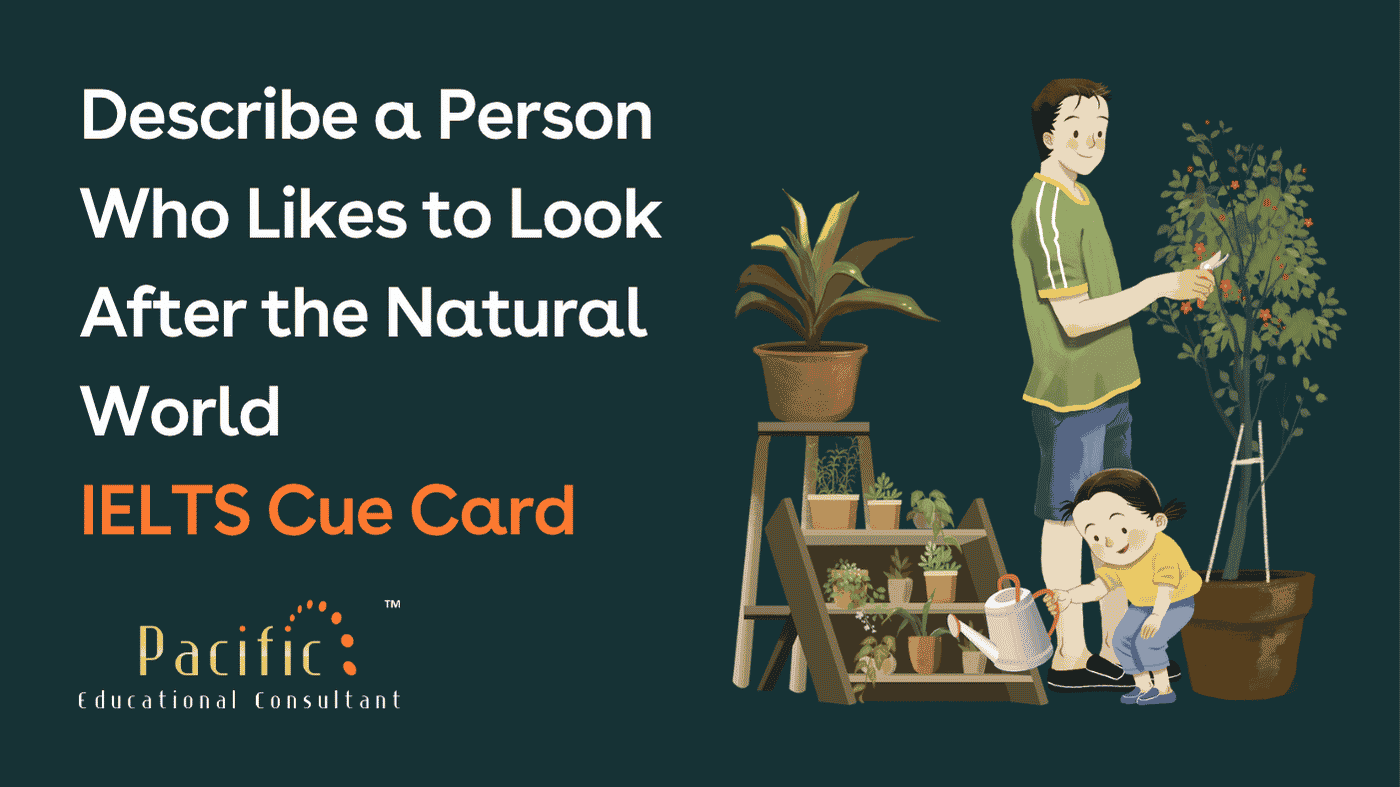
Today, I would like to talk about a person I know who deeply cares for nature. That person is my mother, who is a passionate gardener.
She absolutely loves planting different crops, flowers, and small indoor plants. In fact, we have hundreds of pots all over our home because of her hobby. Our balcony, terrace, and even some corners of our house are filled with beautiful green plants. She is always busy taking care of them and making sure they get enough water, sunlight, and proper nutrition.
What I admire the most is that she does not just grow plants casually. She spends a lot of her free time searching on YouTube and Instagram for new gardening techniques, organic fertilizers, and creative ways to protect plants naturally. Whenever she finds a unique method to help plants grow better, she immediately implements it in our garden.
For example, she uses kitchen waste to make compost, avoids chemical fertilizers, and prefers organic methods to keep insects away. She believes that even small efforts at home can contribute to protecting the environment. She treats her plants like her own children and looks after them every single day.
Whenever her plants grow well or flowers bloom, her happiness knows no bounds. She feels extremely proud and excited, as if she has achieved something very special. Sometimes, I even feel a bit jealous that such small natural things can give her so much joy.
I feel very proud of my mother because she is doing something positive for the environment right at home. She has turned our house into a small green forest, which makes the air feel fresher and the atmosphere more peaceful. Seeing her passion has taught me that we should appreciate the small, natural things in our lives.
Overall, my mother is a true inspiration to me. She has made me understand that protecting the natural world does not always require big actions. Even planting a few trees, saving water, and caring for plants can make a meaningful difference.
Passionate gardener – someone who loves gardening very much
Example: My mother is a passionate gardener.
Green space – an area filled with plants or trees
Example: She has turned our terrace into a green space.
Organic methods – natural ways without harmful chemicals
Example: She uses organic methods to grow plants.
Compost – natural fertilizer made from waste material
Example: She makes compost from kitchen waste.
Her happiness knows no bounds – she becomes extremely happy
Example: When flowers bloom, her happiness knows no bounds.
True inspiration – someone who motivates others
Example: My mother is a true inspiration for me.
Yes, I strongly believe parents should teach their children how to protect the environment. Children learn most of their habits from home, so if parents save water, avoid wasting electricity, plant trees, and keep their surroundings clean, children naturally follow them. These small habits can make children more responsible towards nature in the future.
People can do many simple things to protect the natural world. They can plant more trees, reduce plastic use, save water, avoid wasting electricity, and recycle things like paper, glass, and plastic. Even small actions, when done regularly, can create a big positive impact on the environment.
No, I do not think it is very easy for children in cities to get close to nature. Most cities have tall buildings, traffic, pollution, and very limited open green spaces. However, parents can take their children to parks, gardens, or nearby natural places on weekends. They can also encourage children to grow small plants at home.
Yes, it is extremely important to teach environmental protection at school. Students spend a lot of time in school, so they can learn good habits there. Schools can organize activities like tree plantation drives, cleanliness campaigns, recycling projects, and gardening activities. These practical activities help students understand the value of nature.
Yes, many people in my country are becoming more aware of the environment now. People are slowly understanding the importance of planting trees, reducing plastic, and keeping public places clean. However, there is still a need for more awareness because many people continue to throw waste in open areas and waste natural resources.
I think rewards are usually better than punishment because people feel more motivated when they are appreciated. For example, if the government gives discounts for solar panels or electric vehicles, more people may choose eco-friendly options. However, punishment is also necessary for serious cases, such as illegal tree cutting or river pollution.
Join Pacific Educational Consultant and improve your confidence with expert trainers, daily speaking practice, cue card preparation, mock interviews, and personalised feedback.


Book a Free Counselling

Pacific Prime Membership — Study Abroad Support at Effectively ₹0

US Study Visa Interview Questions & Sample Answers

Study Visa Interview for USA: How to Prepare (F-1 2026)
APS Germany Full Guide to the APS Certificate for Indian Students

dMAT Online Course: 2026 Preparation Guide for Germany MS

dMAT Mock Test 2026 Free Sample Papers & Practice PDFs

Welcome to Pacific Educational Consultant and Classes, your trusted partner in unlocking a world of educational opportunities and personal growth.


© 2026 Pacific Educational Consultant. All rights reserved
 Canada
 United States
 United Kingdom
 Australia
 Germany
 France
 Netherlands
 New Zealand
 PTE
PTE
 IELTS General Training
 TOEFL iBT
 Duolingo English Test
 SAT
SAT
 GRE
GRE
 GMAT
GMAT
 SPOKEN ENGLISH
 SOP Writing
 Air Tickets
 Accommodation
 Career Counselling
 Visa Assistance