

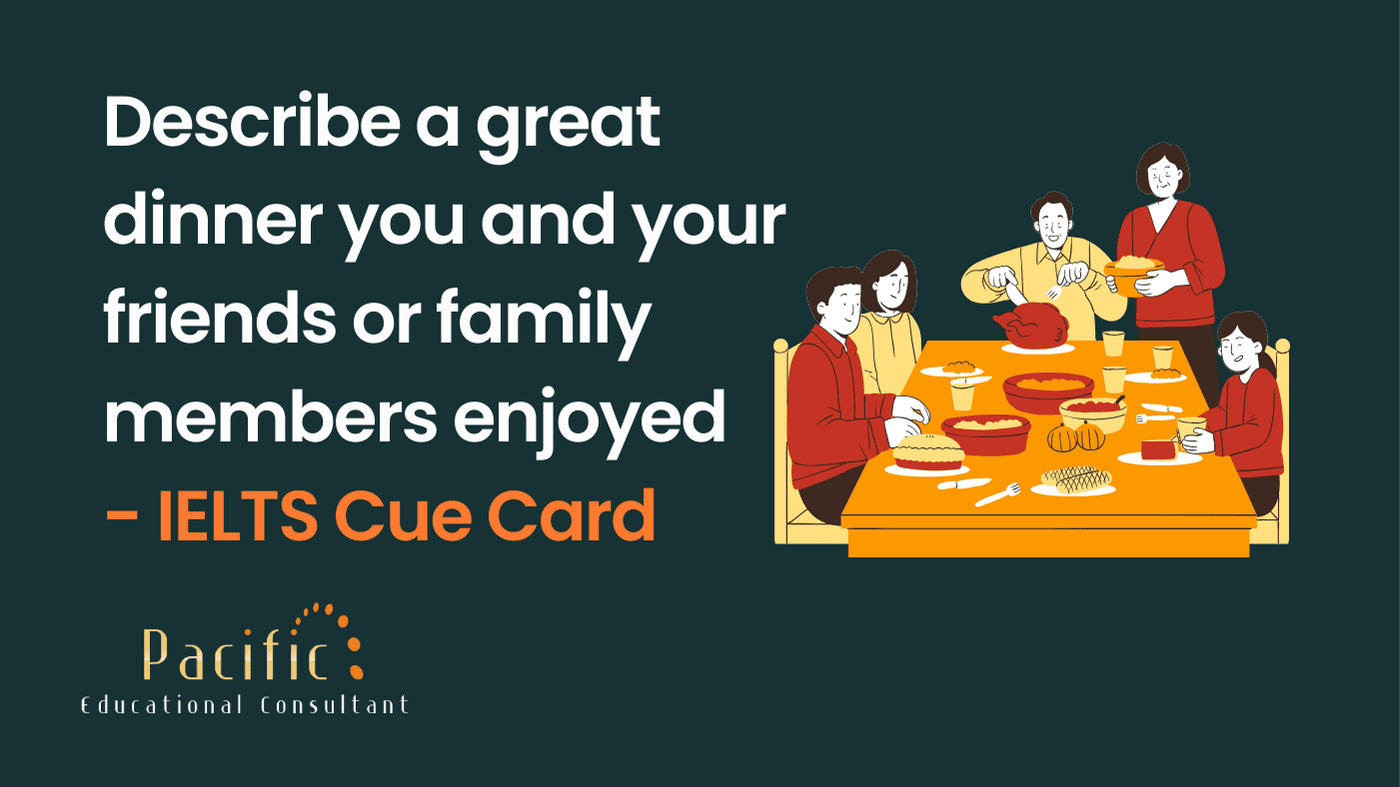
You should say:
Last month, we had a special dinner at a traditional Indian restaurant. We ordered paneer tikka, butter naan, dal makhani, and a few spicy curries, followed by gulab jamun for dessert.
I enjoyed this dinner with my parents, siblings, and two close cousins. It was a small family get-together after a long time.
We talked about our childhood memories, upcoming festivals, and even future travel plans. My cousins also shared funny stories from their college life, which made everyone laugh.
I enjoyed this dinner because it gave me quality time with my family in a relaxed atmosphere. The food was delicious, and the laughter and warm conversations made it even more memorable.
Most people prefer eating at home because festivals are about family bonding and traditional food. However, some families enjoy going out for a change or convenience.
It depends on the festival. For example, during Diwali we eat sweets like laddoos and kaju katli, while during Eid people enjoy biryani and sevaiyan.
Sharing meals strengthens family bonds. It’s not just about eating, but also about celebrating traditions, love, and togetherness.
Yes, sometimes it is, especially when cooking for many guests. But families still enjoy it because homemade food feels more personal and special.
They usually talk about family matters, future plans, work, studies, or even share funny stories. Meals often become a time for bonding and relaxation.
I think it’s bad because eating together builds stronger relationships. Busy lifestyles may save time, but they reduce family interaction and emotional connection.

Book a Free Counselling
Study Visa in Switzerland for Indian Students 2026 Guide
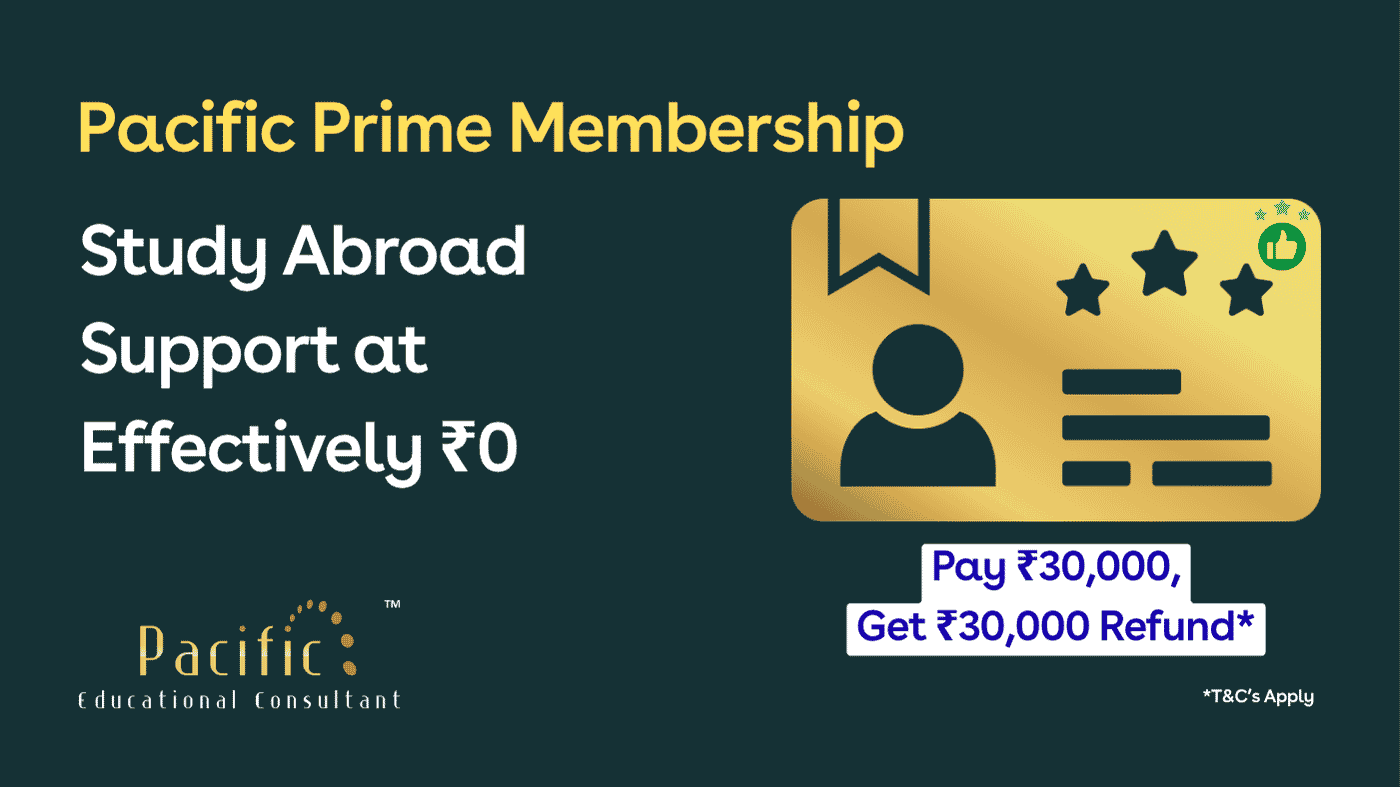
Pacific Prime Membership — Study Abroad Support at Effectively ₹0
US Study Visa Interview Questions & Sample Answers
Study Visa Interview for USA: How to Prepare (F-1 2026)
APS Germany Full Guide to the APS Certificate for Indian Students

dMAT Online Course: 2026 Preparation Guide for Germany MS

Welcome to Pacific Educational Consultant and Classes, your trusted partner in unlocking a world of educational opportunities and personal growth.


© 2026 Pacific Educational Consultant. All rights reserved
 Canada
 United States
 United Kingdom
 Australia
 Germany
 France
 Netherlands
 New Zealand
 PTE
PTE
 IELTS General Training
 TOEFL iBT
 Duolingo English Test
 SAT
SAT
 GRE
GRE
 GMAT
GMAT
 SPOKEN ENGLISH
 SOP Writing
 Air Tickets
 Accommodation
 Career Counselling
 Visa Assistance