


An MBA is a transformative step in your career journey. But in today’s competitive landscape, many professionals wonder: What’s next after MBA? Whether aiming to deepen your expertise or broaden your skill set, exploring the best courses after an MBA can open doors to exciting opportunities and enhanced career growth.
An MBA provides a strong foundation in business and management principles. However, the dynamic business landscape demands continuous learning and skill development. Pursuing a specialized course after your MBA can significantly enhance your career prospects by:
Is an MBA required to become a CEO? While not mandatory, an MBA provides valuable business knowledge and networking opportunities. About 40% of S&P 500 company CEOs hold MBA degrees.
Yes, you can pursue a PhD after your MBA. This is often the first question that arises when you complete your MBA. In fact, anyone with a postgraduate degree can apply for PhD admission. Although there are various other requirements to pursue a PhD, these requirements vary from university to university.
Investing in further education after your MBA can significantly enhance your career trajectory. By carefully considering your career goals and exploring the diverse range of available options, you can gain specialized knowledge, increase your earning potential, and achieve greater professional success.
Disclaimer: This article provides general information and should not be considered financial or career advice.
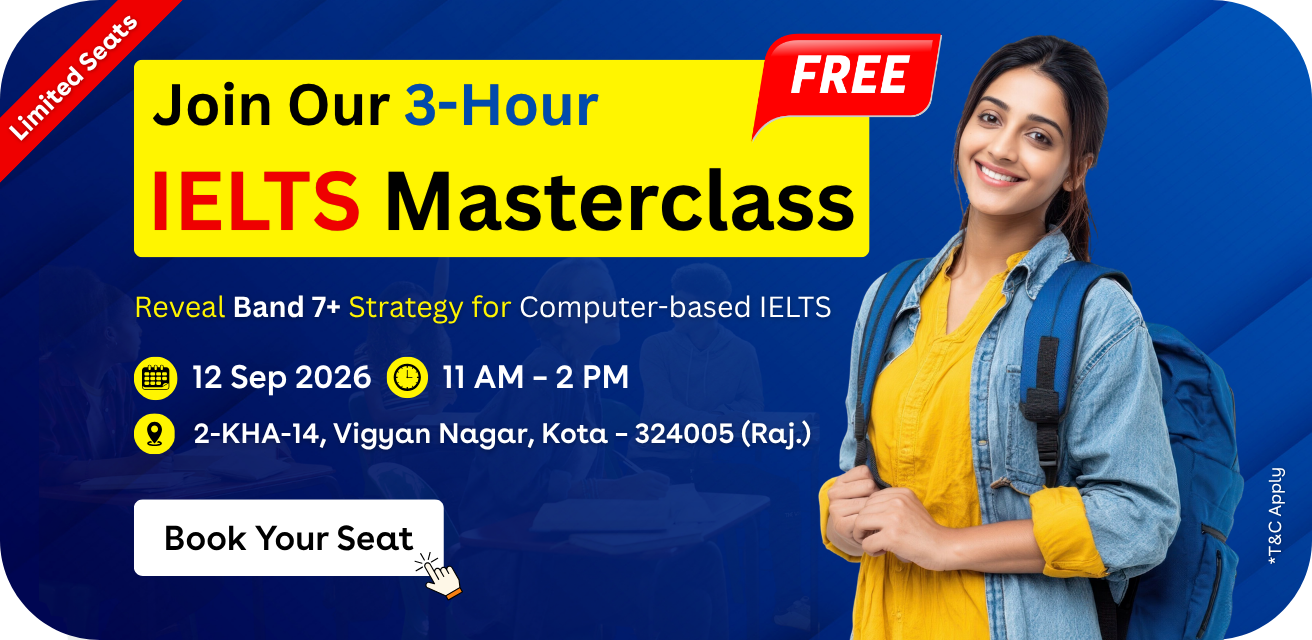
Book a Free Counselling
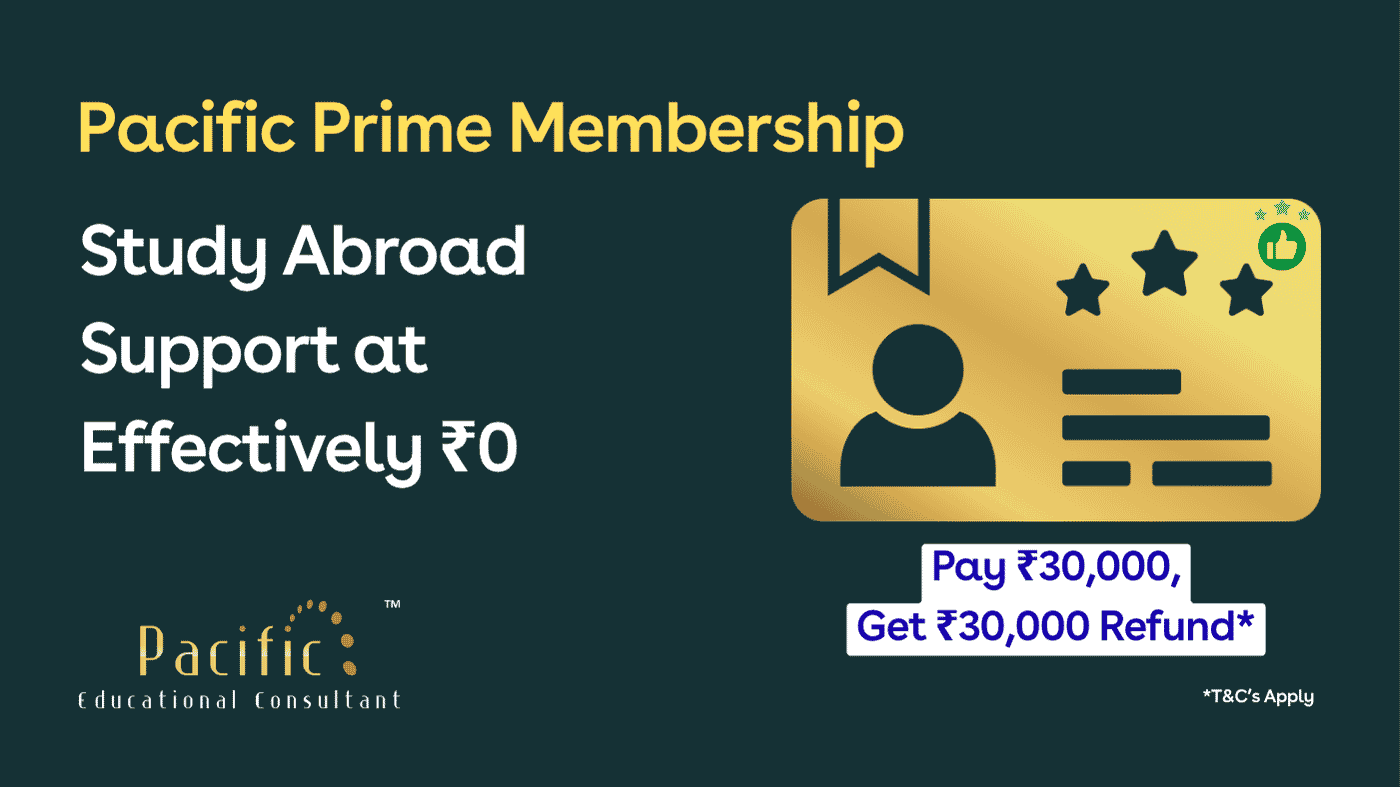
Pacific Prime Membership — Study Abroad Support at Effectively ₹0
US Study Visa Interview Questions & Sample Answers
Study Visa Interview for USA: How to Prepare (F-1 2026)
APS Germany Full Guide to the APS Certificate for Indian Students

dMAT Online Course: 2026 Preparation Guide for Germany MS

dMAT Mock Test 2026 Free Sample Papers & Practice PDFs

Welcome to Pacific Educational Consultant and Classes, your trusted partner in unlocking a world of educational opportunities and personal growth.


© 2026 Pacific Educational Consultant. All rights reserved
 Canada
 United States
 United Kingdom
 Australia
 Germany
 France
 Netherlands
 New Zealand
 PTE
PTE
 IELTS General Training
 TOEFL iBT
 Duolingo English Test
 SAT
SAT
 GRE
GRE
 GMAT
GMAT
 SPOKEN ENGLISH
 SOP Writing
 Air Tickets
 Accommodation
 Career Counselling
 Visa Assistance