

 Confidently introducing yourself in English during an interview can set the tone for the rest of the interaction. Whether you're a non-native speaker or someone brushing up on professional communication, the ability to craft a clear and engaging self-introduction can make all the difference.
A self-introduction is your chance to make a strong first impression. It helps the interviewer understand your personality, background, and communication skills. A well-structured self-introduction reflects confidence, clarity, and preparation.
Begin with a polite greeting, such as:
This sets a professional and friendly tone.
Clearly state your name and your current job or educational status. For instance:
This is where you briefly share your professional strengths or accomplishments. For example:
Explain why you’re interested in the role or the company:
Wrap up with a polite thank-you:
Practice Spoken English for Interview
Take time to rehearse common questions and answers aloud. Practice with a friend, mentor, or a professional English coach from platforms like Pacific Educational Consultant to improve fluency.
Watch videos or listen to podcasts where professionals share their experiences. Imitating their pronunciation and tone can help you refine your spoken English for interviews.
Short, well-structured sentences are easier to deliver and understand. For example, instead of saying:
"I have completed my Bachelor of Science in Computer Applications from XYZ University and also worked as a developer at ABC Company for six months."
Say:
"I studied Computer Applications at XYZ University. After graduation, I worked as a developer at ABC Company for six months."
Here’s a sample to guide you:
"Good morning, I’m [Your Name]. I recently completed my MBA in Marketing from [University Name]. During my internship at ABC Ltd., I developed a social media campaign that increased engagement by 40%. I am passionate about creating innovative marketing strategies, which is why I am eager to join your team. Thank you for this opportunity, and I look forward to contributing to your organization."
A course tailored for interviews, like those offered by Pacific Educational Consultant, can significantly enhance your confidence and communication skills.
Engage in conversations with English-speaking peers or join online forums to practice regularly.
Research and familiarize yourself with industry-specific terms to sound more professional during the interview.
Beyond self-introductions, the way you interact throughout the interview matters. Maintain a polite tone, avoid fillers like "umm" or "uhh," and take a moment to think before answering complex questions.
Focus on These Techniques:
Start by writing a draft of your introduction and practicing it aloud. Focus on improving fluency and pronunciation by listening to English speakers and mimicking their style.
Avoid long-winded explanations, excessive personal details, or using slang. Keep your tone formal and professional.
Take courses like the ones offered by Pacific Educational Consultant, watch English videos, practice speaking daily, and focus on clear, simple communication.
Rehearsing reduces nervousness and ensures that your answers are clear, concise, and impactful.
A touch of light humor can make you memorable, but it must be appropriate and professional.
Focus on showcasing unique skills, achievements, or experiences that align with the role. Ensure your enthusiasm for the position shines through.
Mastering how to speak English in an interview self-introduction is an invaluable skill that boosts your confidence and leaves a lasting impression. By structuring your introduction, avoiding common mistakes, and improving your spoken English for job settings, you can position yourself as a strong candidate. Explore resources like Pacific Educational Consultant for tailored courses, and remember: practice makes perfect.
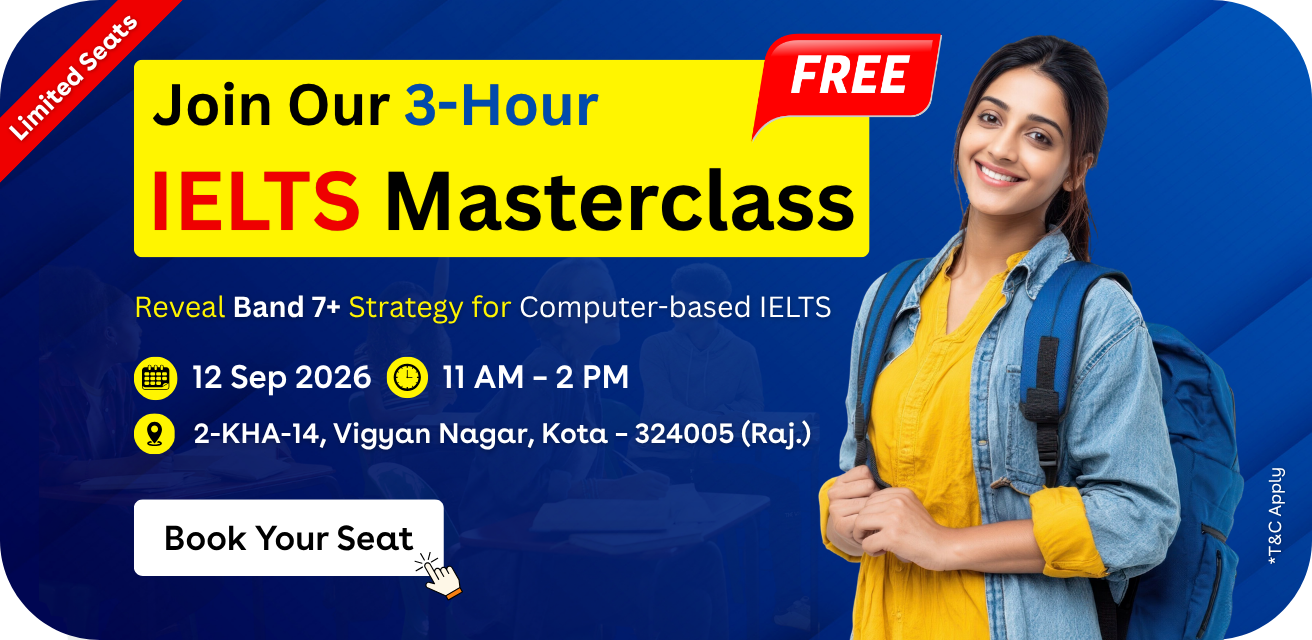
Book a Free Counselling
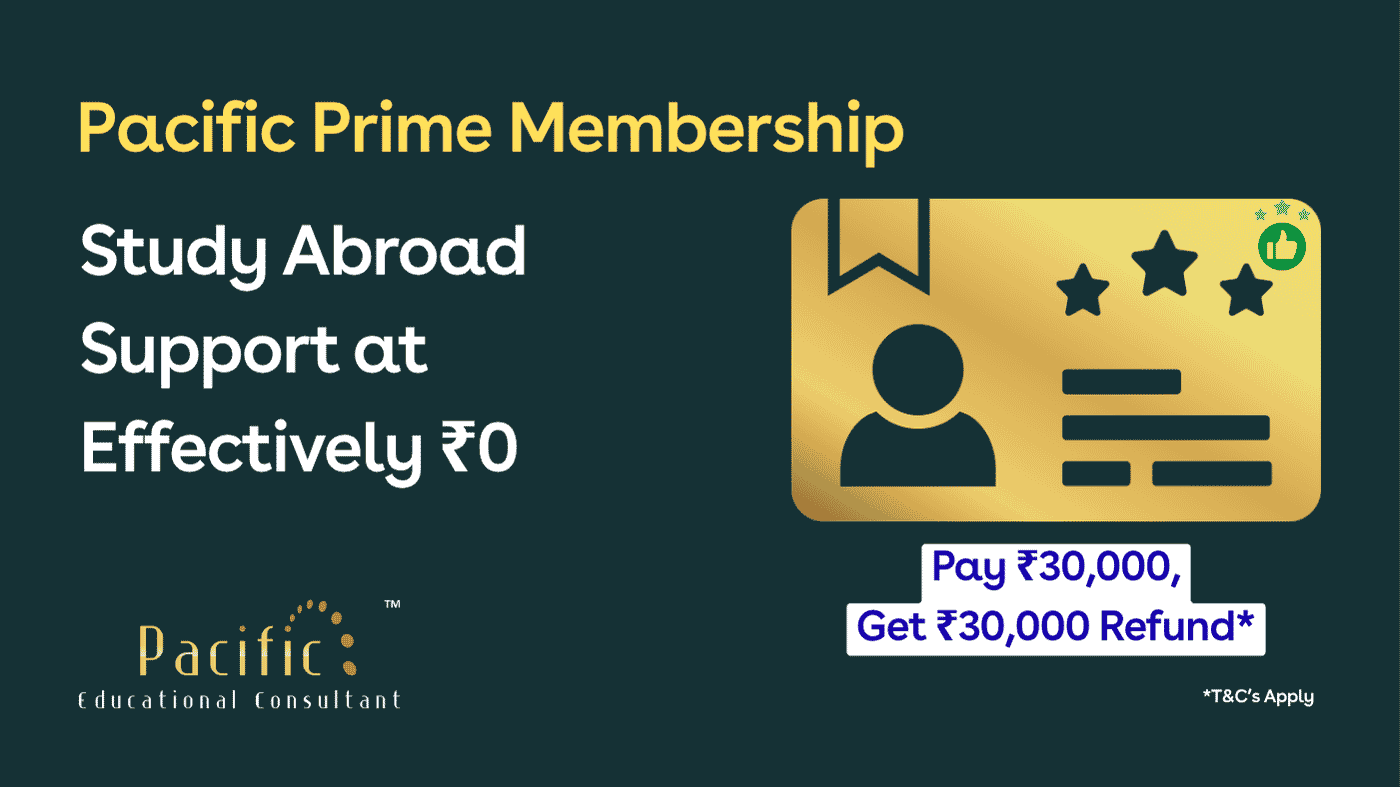
Pacific Prime Membership — Study Abroad Support at Effectively ₹0
US Study Visa Interview Questions & Sample Answers
Study Visa Interview for USA: How to Prepare (F-1 2026)
APS Germany Full Guide to the APS Certificate for Indian Students

dMAT Online Course: 2026 Preparation Guide for Germany MS

dMAT Mock Test 2026 Free Sample Papers & Practice PDFs

Welcome to Pacific Educational Consultant and Classes, your trusted partner in unlocking a world of educational opportunities and personal growth.


© 2026 Pacific Educational Consultant. All rights reserved
 Canada
 United States
 United Kingdom
 Australia
 Germany
 France
 Netherlands
 New Zealand
 PTE
PTE
 IELTS General Training
 TOEFL iBT
 Duolingo English Test
 SAT
SAT
 GRE
GRE
 GMAT
GMAT
 SPOKEN ENGLISH
 SOP Writing
 Air Tickets
 Accommodation
 Career Counselling
 Visa Assistance