

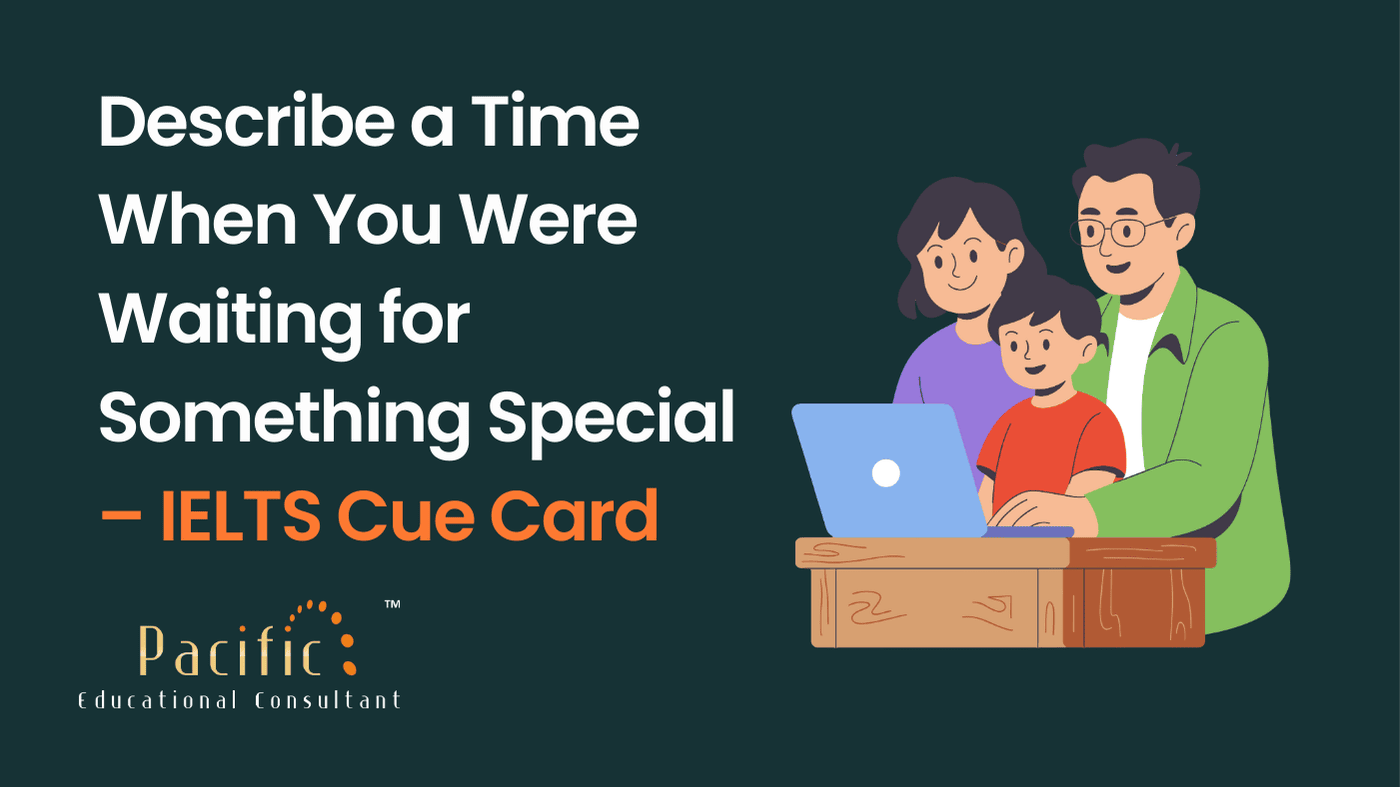
Waiting for something special is an experience everyone goes through at some point in life. Whether it is waiting for exam results, a job offer, a loved one’s arrival, or a life-changing opportunity, such moments are filled with excitement, nervousness, and hope. In the IELTS Speaking test, this topic allows you to express emotions, describe personal experiences, and demonstrate your ability to narrate events clearly.
In this blog, you will find a complete sample answer for the IELTS cue card along with well-structured responses for follow-up questions.
You should say:
What you waited for
Where you waited
Why it was special
And explain how you felt when you were waiting
One of the most special moments I remember waiting for was my university admission result. I had applied for my dream course, and the result was supposed to be announced online on a particular day.
I was waiting at home, constantly refreshing the university website on my laptop. My entire family was around me, and everyone was equally excited and nervous.
This moment was very special because getting admission to that university would shape my future career. I had worked very hard for the entrance exam and had high hopes of getting selected.
While waiting, I felt extremely anxious and excited at the same time. My heart was beating fast, and I couldn’t concentrate on anything else. When the result finally appeared and I saw my name on the list, I felt a huge sense of relief and happiness. It was truly a memorable experience.
People usually need to wait on many important occasions in life. For example, they wait for exam results, job interview outcomes, visa approvals, medical reports, or the arrival of loved ones. In daily life, people also wait at bus stops, railway stations, hospitals, and government offices. Waiting is a natural part of both personal and professional life.
In my opinion, adults usually behave better when waiting compared to children. Adults understand the importance of patience and know that some things take time. Children, on the other hand, often become restless and impatient because they find it difficult to control their emotions. However, with proper guidance, children can also learn to wait calmly.
Yes, I believe people are less patient now compared to the past. This is mainly because of modern technology and fast lifestyles. We are used to instant results, fast internet, online deliveries, and quick services. As a result, people expect everything immediately and become frustrated if there is even a small delay.
Waiting has both positive and negative effects on society.
On the positive side, waiting teaches people patience, discipline, and self-control. It helps individuals become more understanding and tolerant.
On the negative side, excessive waiting can cause stress, frustration, and loss of productivity, especially in places like hospitals, government offices, and public transport systems. Long waiting times can also lead to anger and dissatisfaction among people.
Waiting for something special is an emotional and meaningful experience that stays in our memory forever. In IELTS Speaking, sharing such personal stories helps examiners evaluate your fluency, vocabulary, and emotional expression.
Practice this cue card regularly and try to relate it to your own real-life experiences for the best score.
Practice with our expert-designed cue cards, model answers, and mock speaking sessions.
Call: +91 8302793737


MBA in Denmark for Indian Students | Fees, Colleges, Salary & Visa Guide
FMGE Exam 2026 Complete Guide: Eligibility, Dates, Fees & Pass Percentage Explained

Sponsorship Letter for Visa: Format, Samples & Expert Tips
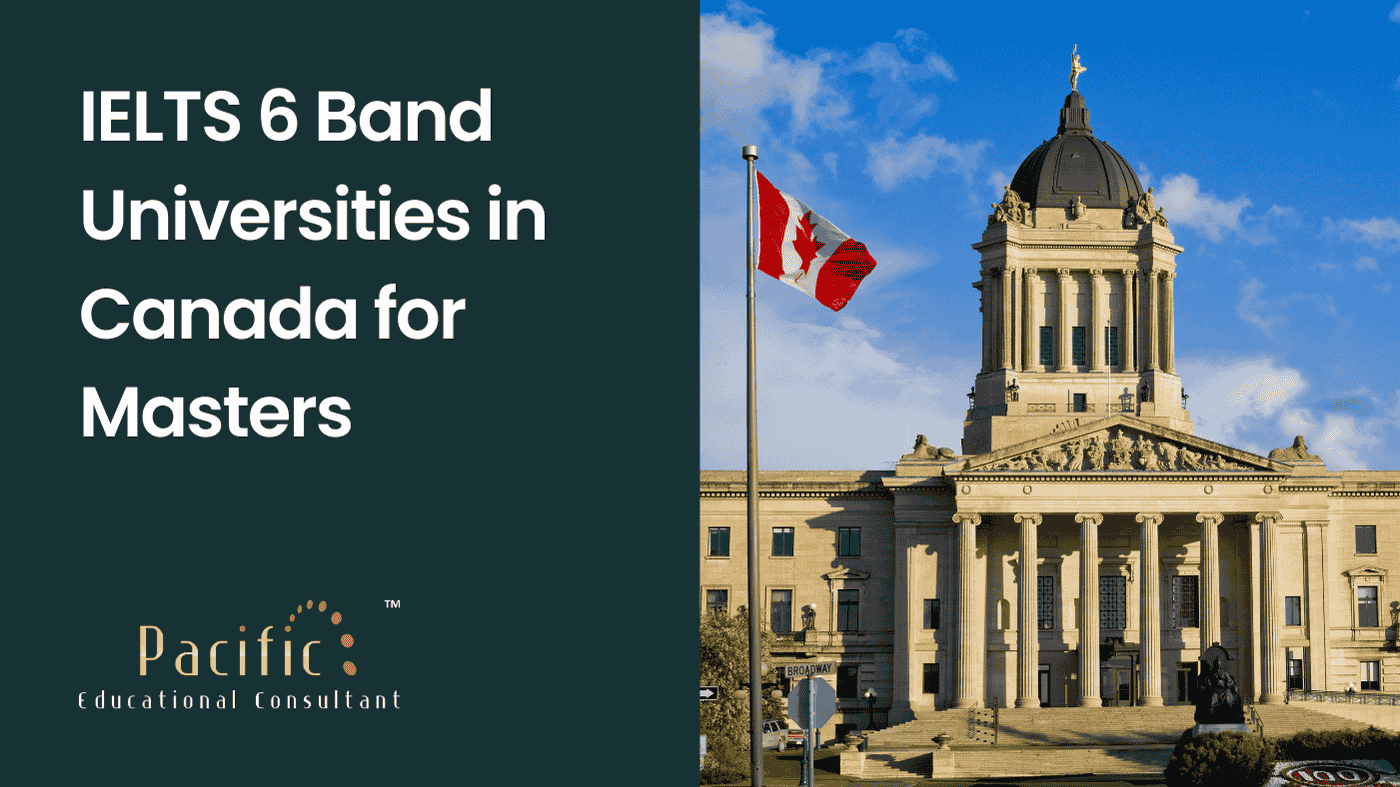
IELTS 6 Band Universities in Canada for Masters

Free Spoken English Masterclass in Kota – Book Now
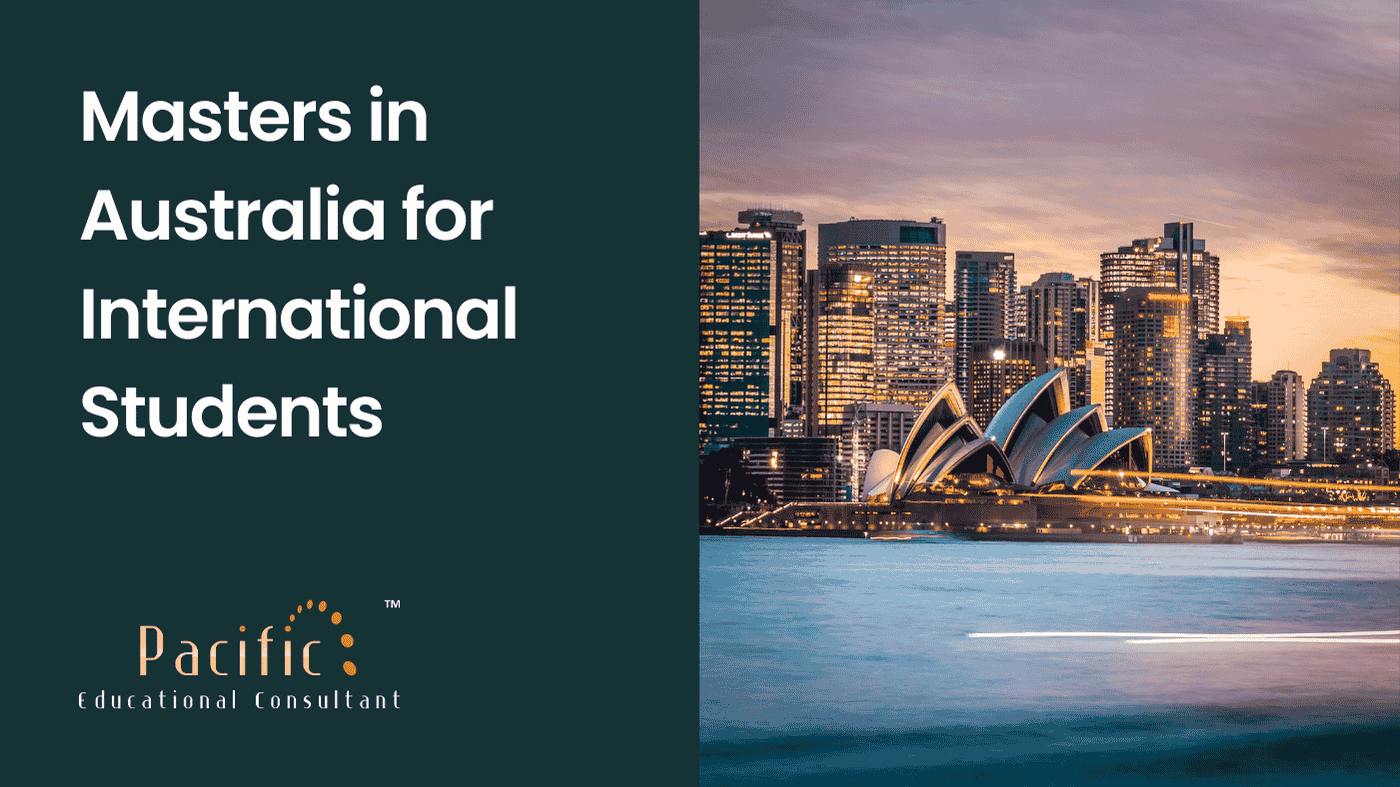
Masters (MS) in Australia – Top Universities, Courses, Cost & Career Scope
IELTS 6 Band Universities in Ireland for Masters

Y-Axis vs KC Overseas vs Pacific Educational Consultant | Honest Study Abroad Comparison

Leverage Edu vs Uni Scholar vs Pacific Educational Consultant | Honest Study Abroad Comparison

The Ring-Tailed Lemur Reading Answers – IELTS Reading Practice Test with Explanation

Welcome to Pacific Educational Consultant and Classes, your trusted partner in unlocking a world of educational opportunities and personal growth.


© 2026 Pacific Educational Consultant. All rights reserved
 Canada
 United States
 United Kingdom
 Australia
 Germany
 France
 Netherlands
 New Zealand
 PTE
PTE
 IELTS General Training
 TOEFL iBT
 Duolingo English Test
 SAT
SAT
 GRE
GRE
 GMAT
GMAT
 SPOKEN ENGLISH
 SOP Writing
 Air Tickets
 Accommodation
 SIM Cards
 Visa Assistance